
Delivery and Online Experience
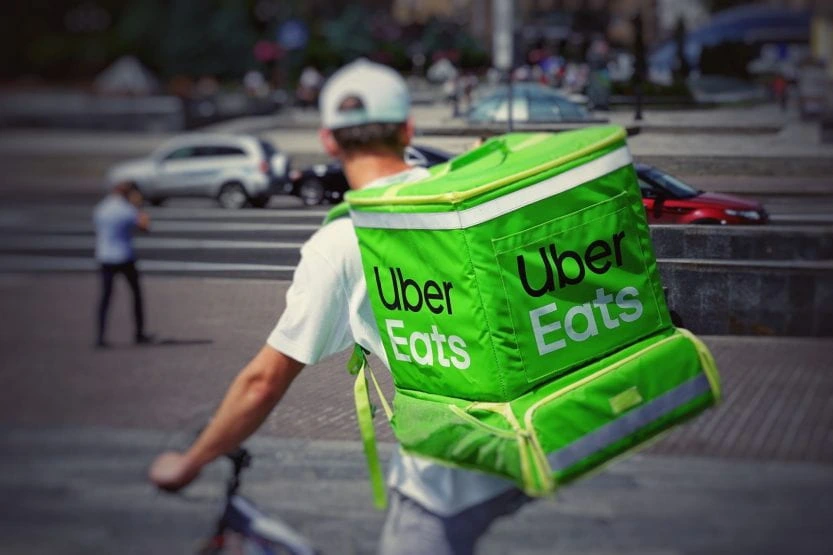
Customers are already using established online delivery apps like Deliveroo, UberEats, etc., to order food. These third-party applications have heaps of information on customers alongside the network of delivery riders and route map optimisation technology. They have incorporated the system in such a way that they are responsible for both deliveries as well as the ordering process. The delivery apps like UberEats and Deliveroo have seen accelerated growth in deliveries and revenue during the pandemic 2020-2021.
While these platforms provide an undeniable network effect, they come at a steep price. The high commission rates often ranging from 25% to 35% can quickly eat into a restaurant's bottom line if not managed carefully. To leverage these apps effectively, a restaurant must move from passive participation to active, data-driven management.
Rather than viewing these platforms solely as a cost of doing business, savvy operators are leveraging them as high visibility marketing channels. By treating these apps as additional digital touchpoints, restaurants can tap into massive, pre-existing audiences that would be expensive to reach via traditional advertising.
The key is to shift from a defensive, cost-minimisation mindset to a proactive, revenue maximisation strategy. This involves understanding that while the platforms handle the logistics, the restaurant retains control over the most critical element: the product and the brand experience.
Turning Data into Demand
Established players like Just Eat have demonstrated the sheer scale of consumer insights available, reportedly collecting over a million data points daily. This data reveals a permanent shift in consumer behaviour: food delivery is no longer a "weekend treat" but a standard part of the daily routine.
To capitalise on this "anytime" demand, restaurants should consider:
- Menu Diversification: Expanding menus to include all-day options (e.g., breakfast, lunch, and dinner).
- Promotional Strategies: Use the app features to create good bargains, such as weekend promo offers or complimentary items once a threshold is reached.
- Data-Driven Optimisation: With the search for takeaway value remaining high, use the in-app promotion tools to run strategic bargains.
- Margin Analysis: Before launching a promotion, you must understand the "hidden" costs. Commissions, packaging, and platform fees can turn a busy night into a loss-making one
Know Your Numbers: The Profit Test
To help restaurant owners navigate these complex numbers, I built the Order Flow: Restaurant Profit Analyser. Instead of guessing, owners can use this tool to simulate different order scenarios and see exactly how third-party commissions impact their net profit. By analysing these margins, businesses can decide which promotions are sustainable and which ones are simply "eating" their hard-earned revenue.
The Hybrid Strategy
The ultimate goal is to use the massive reach of third-party networks to introduce your brand to new diners, then use your exceptional product and service to turn those app-users into loyal, direct-ordering customers.
This approach transforms the relationship with delivery apps from a simple cost centre into a strategic asset. By leveraging the platforms for visibility while driving direct orders for repeat business, restaurants can maintain control over their margins and build sustainable growth in the competitive food delivery landscape.